Original: $379.06
-65%$379.06
$132.67The Story
Description
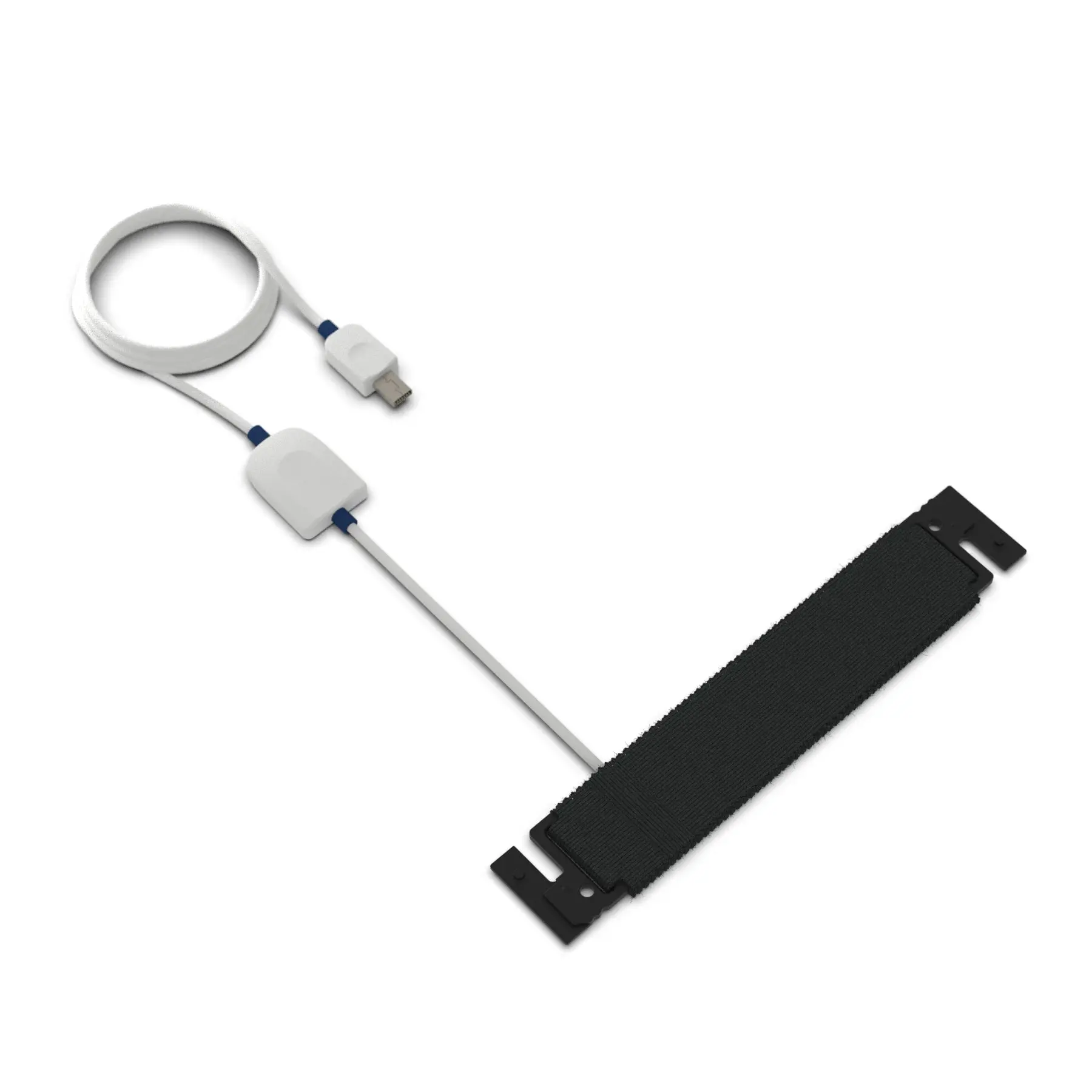
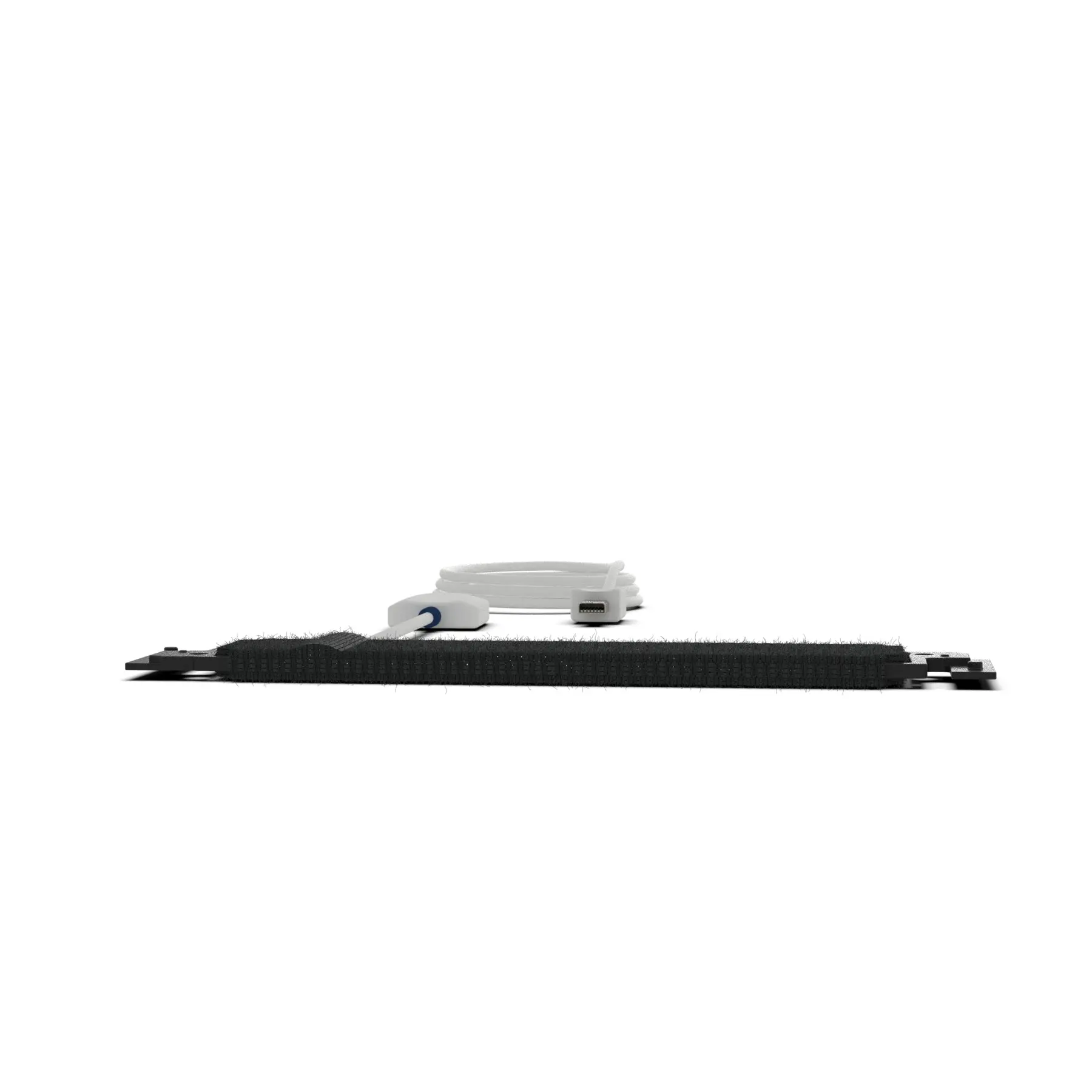
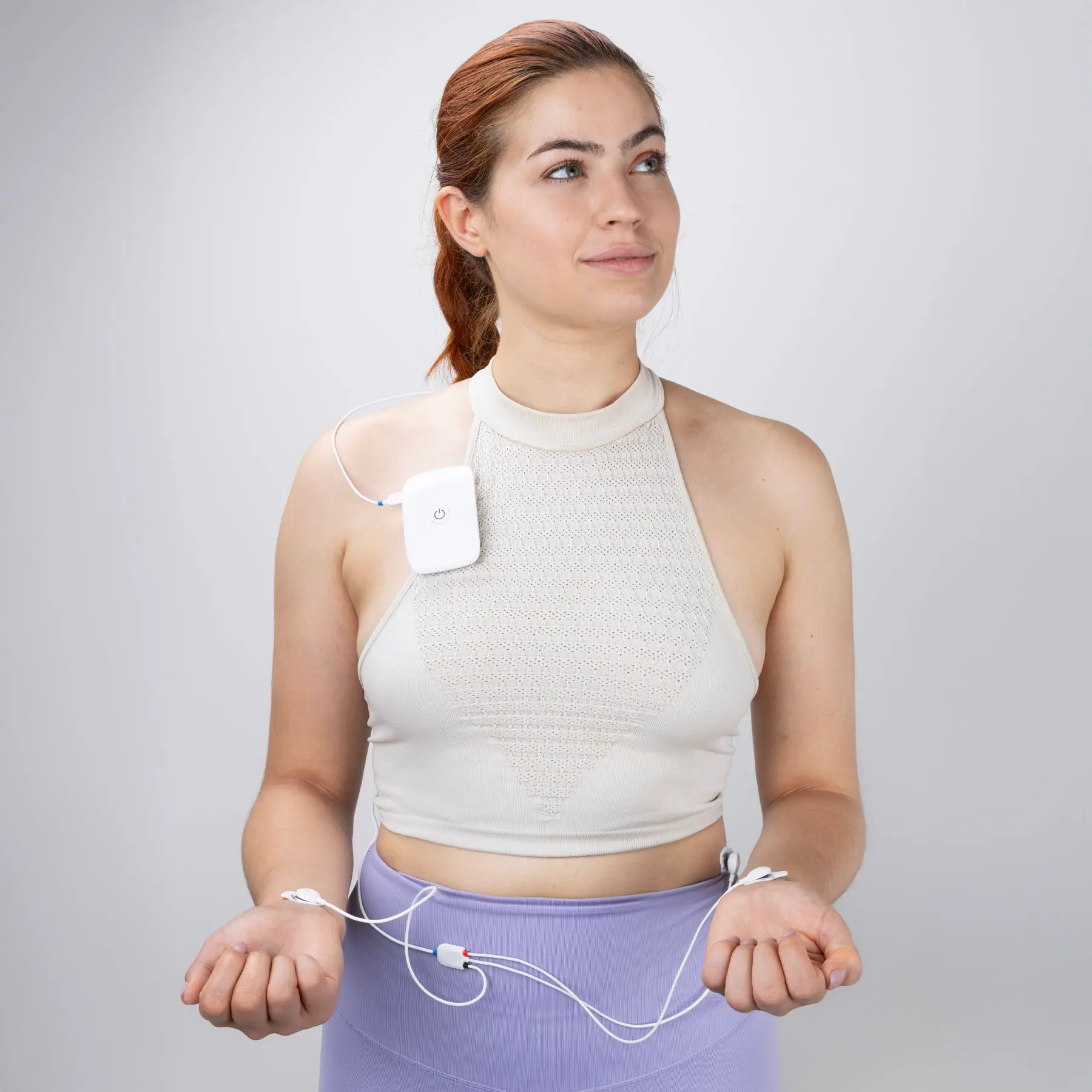
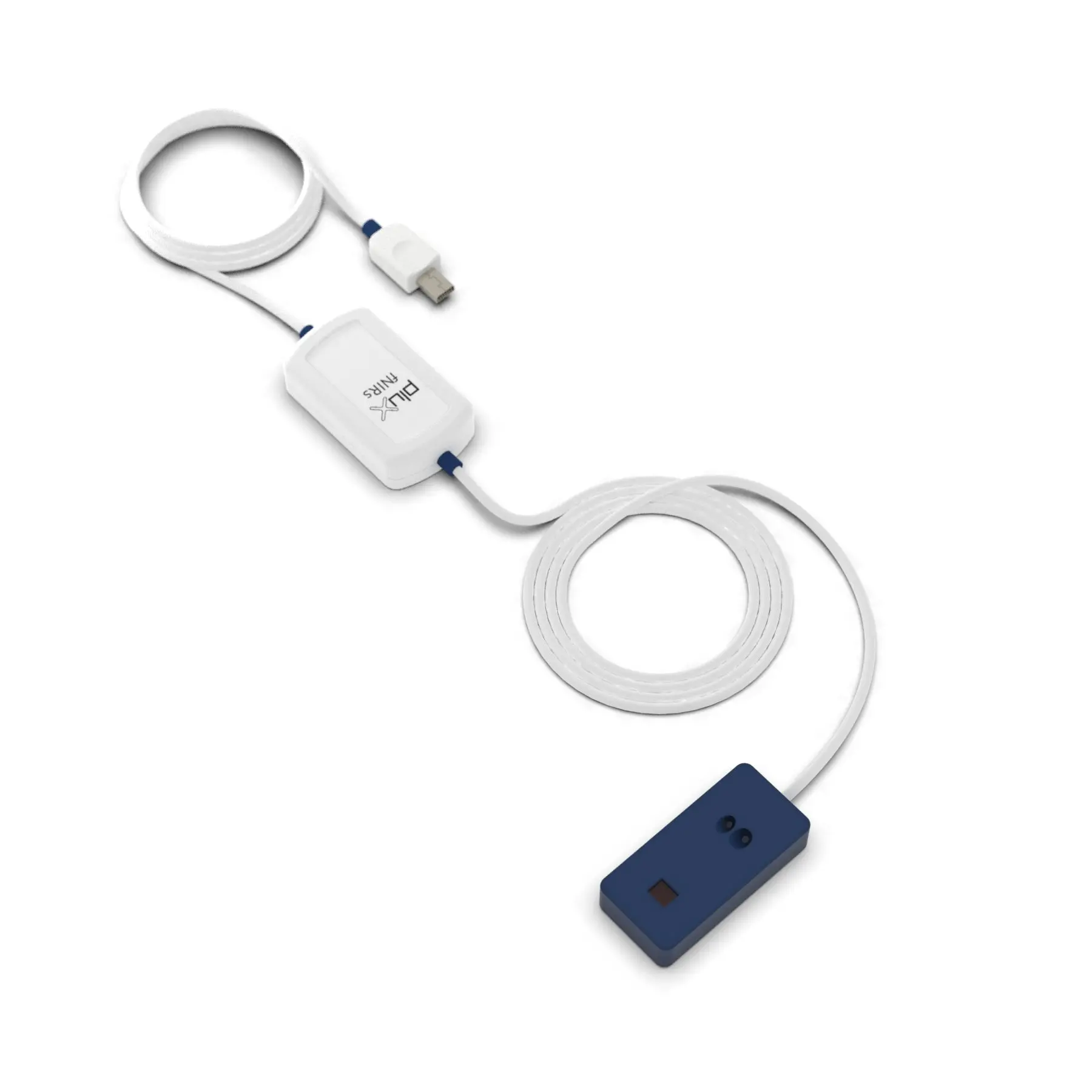
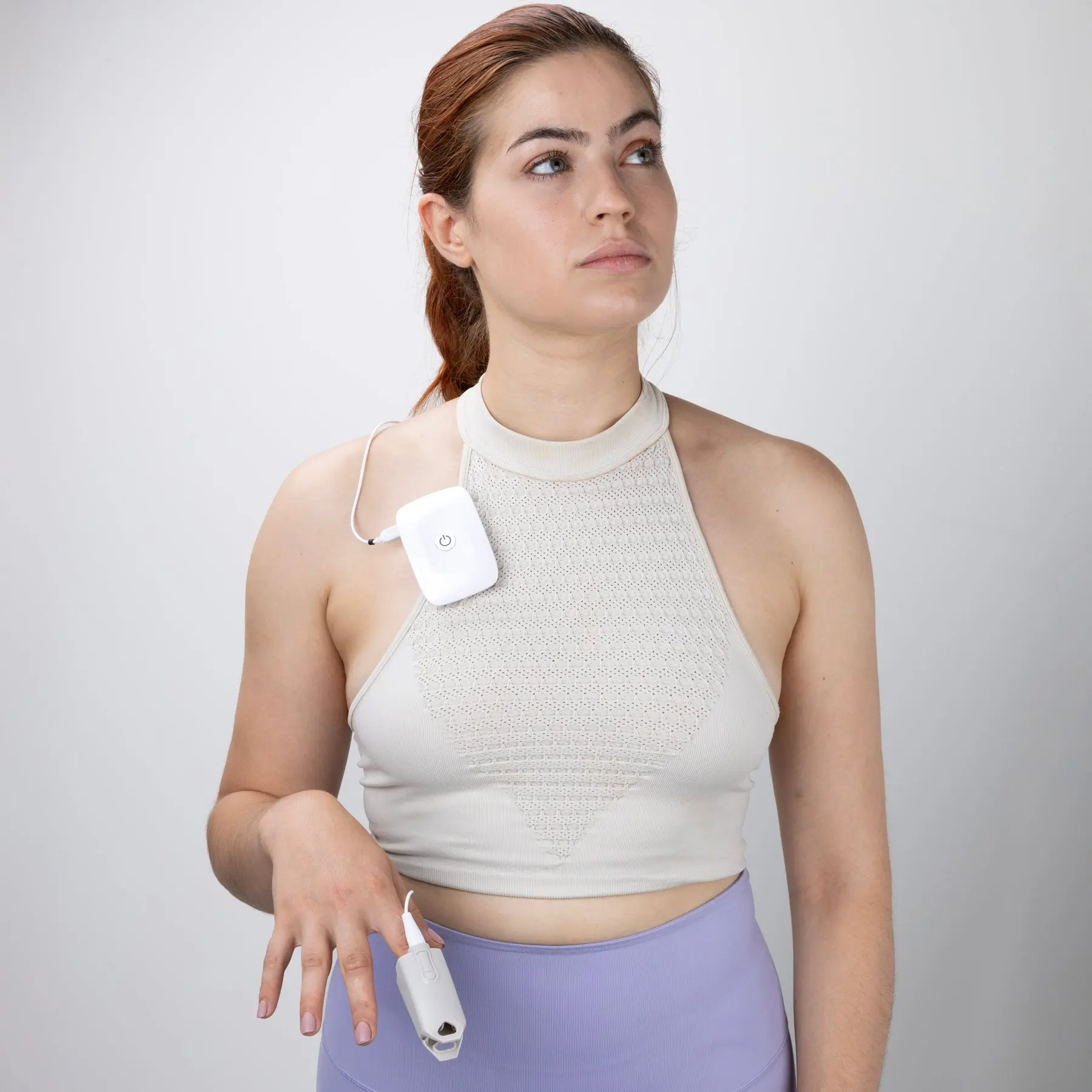
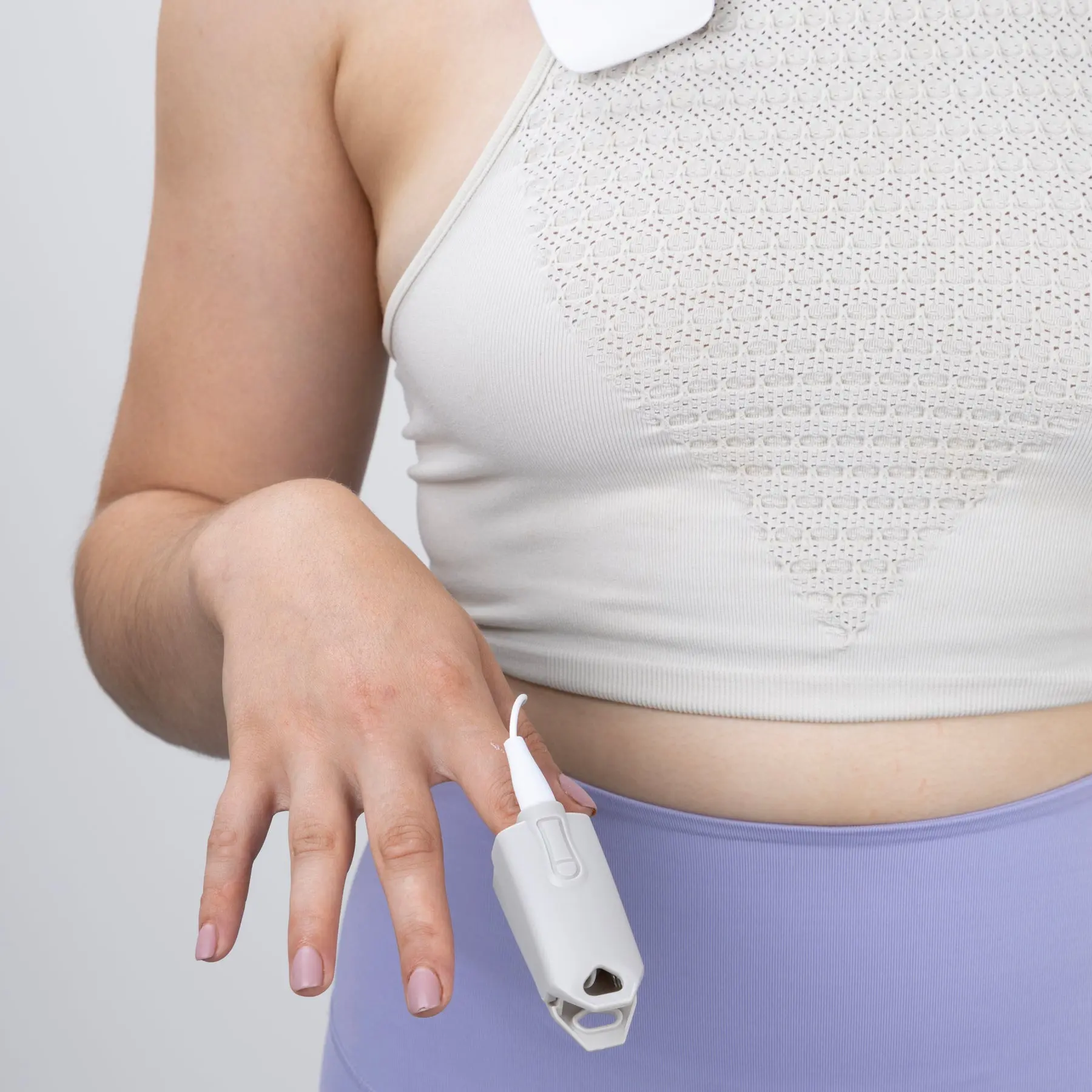
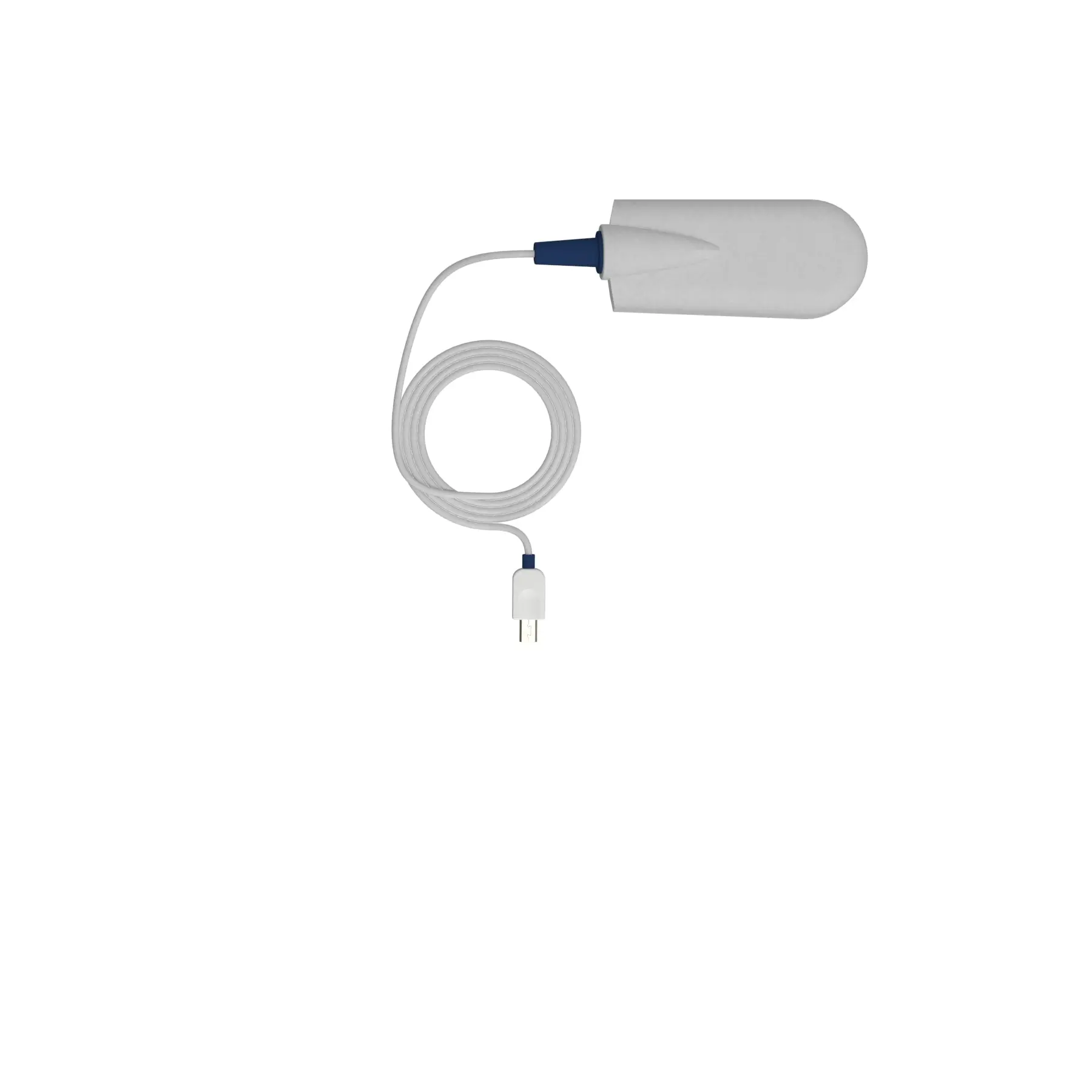
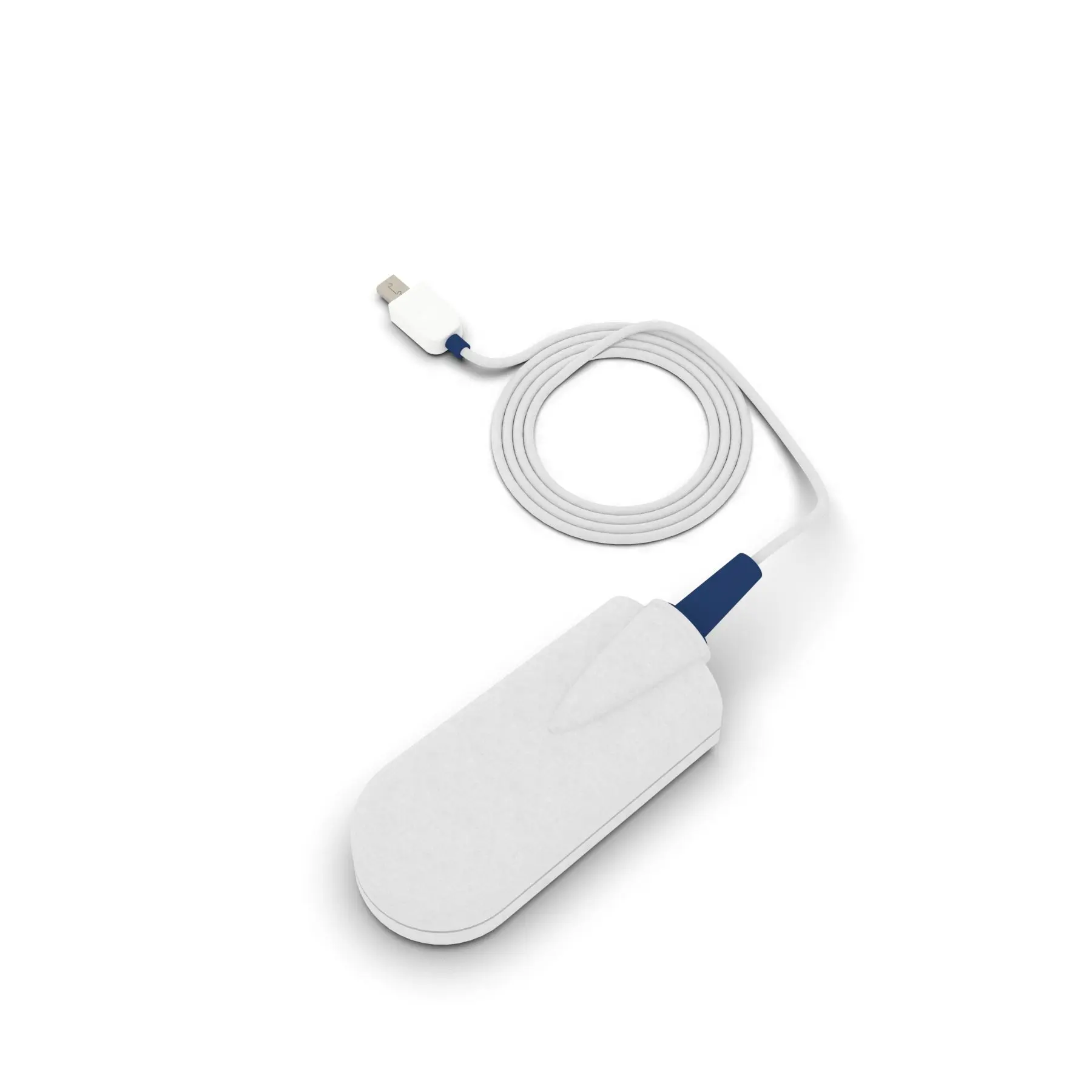
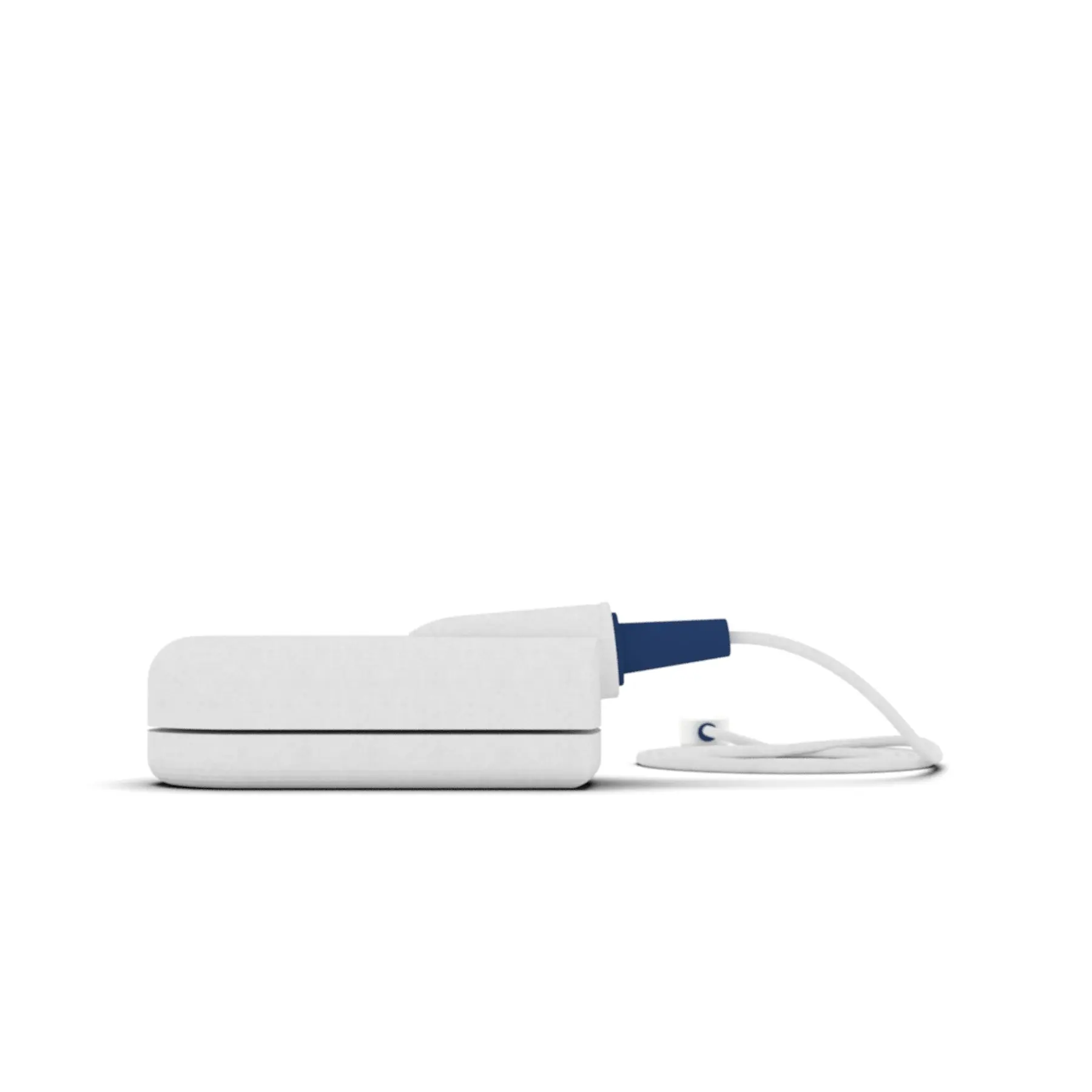
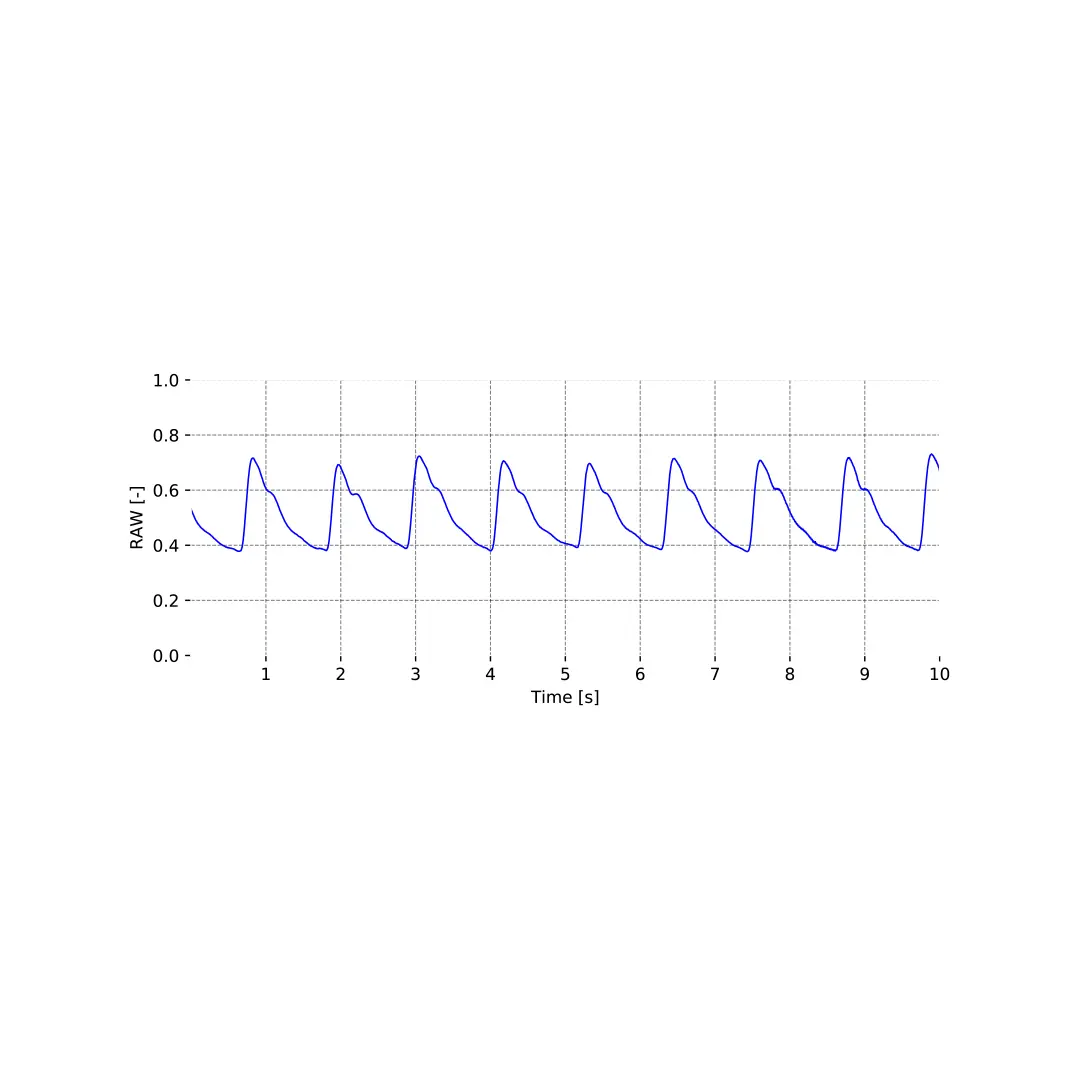
The biosignalsplux Blood Volume Pulse (BVP) sensor is an optical, non-invasive sensor measures changes in the arterial translucency using the light emitter and detector built into its finger-clip housing.
When the heart pumps blood, the arteries become opaquer, allowing less light to pass from the emitter on the sensor through to the receiver on the other side of the finger clip. This variation in light absorption can be used to determine important characteristics of cardiac monitoring (e.g. heart rate) which can afterwards be used for further analysis (e.g. heart rate variation). The clip-on form-factor minimizes interferences from external light sources, enabling reliable signal acquisitions.
Specifications
- Type: Transmittance
- LED wavelength: 670nm
- Consumption: ~4.8mA
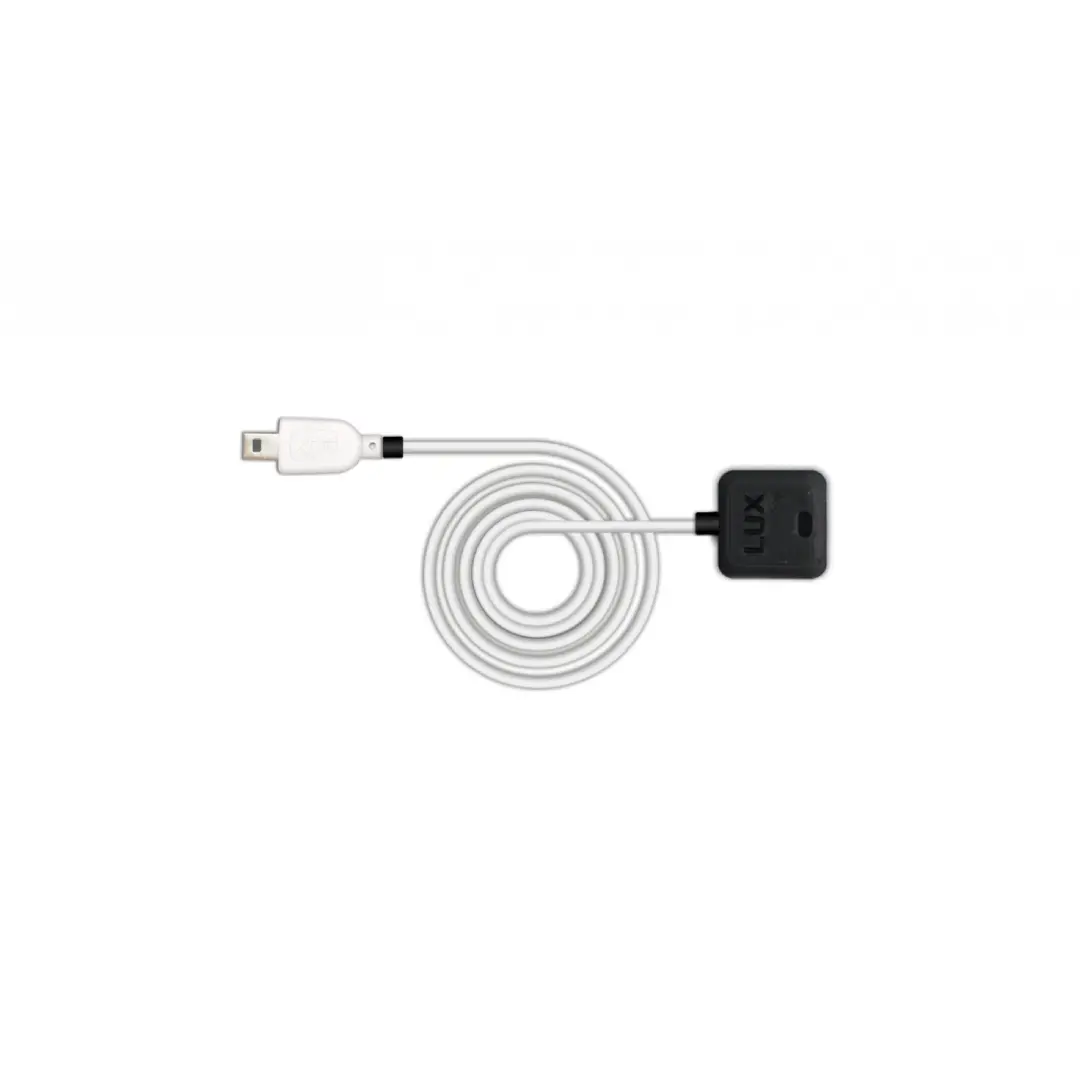
- Connector Type: UC-E6 (Male)
- Gain: 34
- Bandwidth: 0.02-2.1Hz
- Cable Length: 100cm±0.5cm (customizable)
- This sensor requires a biosignalsplux data acquisition system to function, which is sold separately.
Available Add-Ons
Heart Rate Variability (HRV) Analysis
The Heart Rate Variability (HRV) add-on is designed to process Electrocardiography (ECG) and Blood Volume Pulse (BVP) sensor data and to extract Beat-to-Beat interval series from which temporal, spectral, and nonlinear HRV parameters are computed. All the algorithms were implemented according to the "Standards of Measurement, Physiological Interpretation, and Clinical Use" devised by the joint European Society of Cardiology and North American Society of Pacing Electrophysiology task force.
Downloads
- Blood Volume Pulse (BVP) Sensor Datasheet
- Blood Volume Pulse (BVP) Sensor at Rest Technical Notes
Details & Craftsmanship
Every detail has been carefully considered to bring you the perfect product.
Details & Craftsmanship
Every detail has been carefully considered to bring you the perfect product.
Details & Craftsmanship
Every detail has been carefully considered to bring you the perfect product.
Details & Craftsmanship
Every detail has been carefully considered to bring you the perfect product.
Details & Craftsmanship
Every detail has been carefully considered to bring you the perfect product.
Description
Description
The biosignalsplux Blood Volume Pulse (BVP) sensor is an optical, non-invasive sensor measures changes in the arterial translucency using the light emitter and detector built into its finger-clip housing.
When the heart pumps blood, the arteries become opaquer, allowing less light to pass from the emitter on the sensor through to the receiver on the other side of the finger clip. This variation in light absorption can be used to determine important characteristics of cardiac monitoring (e.g. heart rate) which can afterwards be used for further analysis (e.g. heart rate variation). The clip-on form-factor minimizes interferences from external light sources, enabling reliable signal acquisitions.
Specifications
- Type: Transmittance
- LED wavelength: 670nm
- Consumption: ~4.8mA
- Connector Type: UC-E6 (Male)
- Gain: 34
- Bandwidth: 0.02-2.1Hz
- Cable Length: 100cm±0.5cm (customizable)
- This sensor requires a biosignalsplux data acquisition system to function, which is sold separately.
Available Add-Ons
Heart Rate Variability (HRV) Analysis
The Heart Rate Variability (HRV) add-on is designed to process Electrocardiography (ECG) and Blood Volume Pulse (BVP) sensor data and to extract Beat-to-Beat interval series from which temporal, spectral, and nonlinear HRV parameters are computed. All the algorithms were implemented according to the "Standards of Measurement, Physiological Interpretation, and Clinical Use" devised by the joint European Society of Cardiology and North American Society of Pacing Electrophysiology task force.
Downloads
- Blood Volume Pulse (BVP) Sensor Datasheet
- Blood Volume Pulse (BVP) Sensor at Rest Technical Notes